 Posted by
At a glance
Major choices include Carrefour, LuLu, Union Coop, Spinneys and Waitrose. Larger branches offer the broadest selection; compact neighbourhood stores save travel time. Check a specific branch for opening hours, delivery and parking.
Where to stay in Dubai
Compare hotels and apartments by area, budget and cancellation terms before booking.
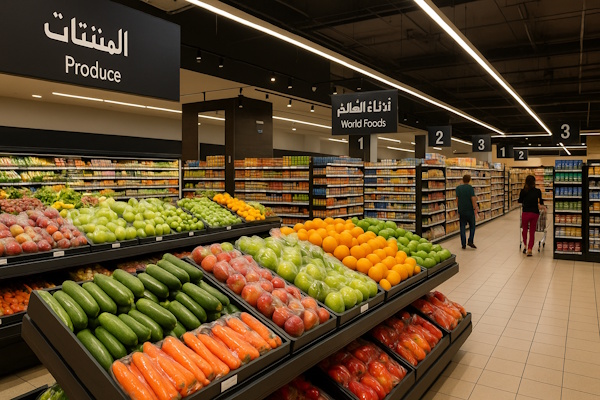
A supermarket is often the quickest way to understand everyday Dubai. A large hypermarket can stock fresh dates, imported cheese, Asian ingredients and household supplies on the same trip. For visitors, the practical questions are location, price and how to get groceries back to the hotel.
Choosing the right supermarket
Carrefour and LuLu are useful starting points for a large shop, especially when you want water, fruit, toiletries and a choice of affordable everyday products. Union Coop is another established option. Spinneys and Waitrose tend to appeal to visitors looking for familiar imported brands, but prices vary considerably by product. The cheapest store is rarely the same for every item.
Check the branch rather than the chain when planning a trip. A small store near your hotel may have limited fresh food while a hypermarket in a shopping centre has wider aisles, prepared meals, pharmacy counters or household goods. Before taking a long taxi ride, search for the branch you actually intend to visit.
What groceries cost
Imported products and speciality goods can cost more than locally available alternatives. Packaged water, fruit, bread and ready-made meals offer a useful alternative to buying every meal in a restaurant. Shelf labels and promotions change, so old online price lists should never be treated as a current shopping budget.
If you are travelling as a family, buying breakfast and snacks in a supermarket can make daily spending easier to control. For a realistic overall budget, see our guide to prices in Dubai. Smaller convenience shops trade time savings for a narrower choice and often a higher bill.
Plan a Dubai experience
Compare activities, availability and cancellation terms for your dates.
Opening hours and delivery
Many Dubai supermarkets operate long hours, and some branches remain open late. There is no reliable citywide rule that applies to every outlet, including branches in malls. Check the store’s current listing before an early-morning or late-night journey. Shopping centre hours and delivery windows may be different.
Several chains offer their own delivery services or sell through grocery apps. Check the delivery address carefully: hotel receptions and serviced apartments may have different collection procedures. If you order refrigerated goods, arrange to receive them promptly rather than leaving them at reception for hours.
Local products worth looking for
Dates come in many varieties and make an easy edible souvenir. You will also encounter Arabic breads, yoghurt drinks, spice mixes, nuts and a broad choice of South Asian ingredients. Seasonal fruit and vegetables may have travelled long distances, so compare freshness and origin rather than assuming one display is local.
Markets and specialist food shops can be more rewarding if you want a particular spice or ingredient, while supermarkets are better for a straightforward one-stop purchase. If you need familiar dietary labels, read the packaging carefully instead of relying on the colour of a shelf label.
Alcohol, customs and responsible shopping
Alcohol is generally not stocked in ordinary grocery aisles; specialist licensed shops and licensed venues operate under separate rules. Our alcohol guide explains the practical distinction. Do not assume that products sold at home may be brought through customs without restriction; see Dubai customs and import rules.
Use insulated bags for chilled items if your trip back is long. Keep receipts for any disputed charge and check whether a displayed offer applies only through a loyalty app. A quick small shop near your accommodation often beats an elaborate trip across town.
Getting there and using the area
A branch inside Dubai Mall is convenient when you are already sightseeing, but carrying heavy bags across a large complex is tiring. If you need to stock an apartment for several days, a nearby hypermarket or delivery may be easier. Check taxi and ride-hailing options if you are buying bulky items.
If you rent a car, inspect the parking signs before leaving it, even at shopping centres. Our parking guide explains why public zones and private car parks should be treated separately.
Breakfast without a hotel buffet
An apartment or hotel room with a fridge makes supermarket breakfast practical. Buy items that can be stored safely and choose portions you will finish before moving on. A carton of yoghurt, fruit and bread may be enough before a morning excursion. If you have no refrigerator, purchase perishable food close to the time you will eat it. Check whether your accommodation provides plates, cutlery and drinking water; this matters more than a large first shop.
Shopping with children
Larger stores can feel overwhelming if everyone is tired after sightseeing. Make a short list, decide on one nearby branch and avoid dragging children through a hypermarket merely to save a small amount. Check snack labels for allergies and keep drinking water within reach when travelling across the city. If the group wants different foods, the diversity of an international supermarket is often an advantage over ordering one large restaurant meal.
Paying and carrying groceries
Cards are broadly useful, but an alternative payment method helps if a terminal or foreign bank transaction fails. Reusable bags keep multiple purchases manageable and reduce waste. A backpack is comfortable if you are taking the metro; for heavy bottled drinks or several days of food, factor a taxi fare into the supposed saving. Count bags before leaving a ride-hailing vehicle. Keep chilled goods out of prolonged heat.
Finding something familiar
Stores serving different neighbourhoods stock different mixtures of ingredients. If you have a strict dietary requirement, search the selected branch online or call before travelling a long distance. Read ingredient lists rather than assuming that a familiar brand has an identical formulation. A large shopping trip can be convenient, but a specialist bakery or produce store may be better for one particular item.
Frequently asked questions
Is tap water or bottled water better for a shopping list?
Ask your accommodation about drinking water and its kitchen facilities before buying a large pack of bottles. Many travellers purchase bottled water for convenience, but heavy multipacks are awkward on the metro. If you need water for an excursion, prepare it the night before and keep the container shaded.
Should I shop in a mall or a neighbourhood store?
Choose the store that fits the rest of your day. A mall branch is easy to combine with shopping or sightseeing; a nearby branch is better when you want to unload groceries immediately. A hypermarket makes sense for a long stay and a larger list. Check the actual branch, since shop size varies greatly.
How do I shop for food allergies?
Read the product label carefully and ask staff when ingredients are unclear. Brands may use different recipes in different markets. Restaurants and prepared food counters present a separate question from packaged goods; do not assume a familiar name means identical allergen handling. If your allergy is severe, prepare an explanation in a language the staff can understand.
Which grocery chain fits your trip?
Carrefour works well when you want a broad range without going to a specialised district. LuLu’s larger outlets can be particularly useful for international staples and household purchases. Union Coop is another option for an ordinary weekly shop. Spinneys and Waitrose may appeal to visitors seeking specific imported brands. Yet a brand name alone says little about a particular branch: a compact city store can differ markedly from a full hypermarket. Check a branch’s photographs, exact address and services before planning a lengthy journey.
For a short city break, convenience is often worth more than a small saving on individual products. Calculate the return journey and decide whether you will carry the groceries or need a taxi. If you are staying in an apartment for a week, a larger first shop makes more sense, followed by small local purchases of fresh items.
Planning meals in a hotel room
A kettle and a small refrigerator do not turn a hotel room into a kitchen. Before shopping, check whether you have plates, a safe way to heat food and enough refrigeration. Choose ready-to-eat items you can consume promptly if the facilities are limited. Breakfast foods, fruit and a few snacks are usually easier to manage than ingredients for a cooked dinner.
Ask whether your hotel accepts grocery deliveries and where drivers should stop. A complicated tower entrance can make delivery less convenient than walking to a nearby store. Check the hotel’s policy before arranging deliveries late at night, particularly if you will be away when a driver arrives.
Fresh produce and prepared food
Compare produce by appearance, ripeness and price per unit rather than by the chain’s reputation. Some fruit is sold in packages, while other items are priced by weight; check the shelf tag carefully. Dubai’s imported food supply offers variety, but seasonal availability and quality are not identical every week. If a particular fruit is important for your trip, keep an alternative in mind.
Many stores offer packaged salads, cooked food and bakery items. Read the storage instructions and consume food within the recommended time. A hot meal carried around in Dubai’s heat for the afternoon is a poor substitute for buying it just before eating.
Understanding promotions and loyalty offers
A discount may require a loyalty number, an app or a minimum number of units. Compare the shelf label with the receipt before leaving, especially when purchasing an item advertised in large print. If an offer seems unclear, ask a cashier for the actual price. The cheapest labelled product may also be a different package size than the familiar one beside it.
Price comparison works best with the amount per kilogram or litre, where available. A small imported pack can appear affordable until you compare it with a larger local alternative. Buy quantities you can use during your stay; a bulk offer stops being a saving if you leave half behind.
Food souvenirs and luggage
Dates, packaged spices and confectionery are convenient gifts because they are easy to share. Check expiry dates, sealing and the import rules of the country you will return to. Liquids and glass jars can create problems in hand luggage, while heat-sensitive products may not survive a long summer transfer. Plan gifts with the journey home in mind.
If you are shopping for someone with allergies, bring a clear list of ingredients to avoid and read the actual package rather than a translation in an online listing. Retail shelves can change, so there is no reliable guarantee that a specific souvenir will be stocked at a named store.
Paying fairly and keeping receipts
Card payment is widely practical, but it helps to carry another option if your bank flags an overseas transaction. Check the currency displayed on the payment terminal. If offered an alternative billing currency, understand your card’s conversion terms before deciding. Retain receipts for larger purchases and check them promptly while you are still at the store.
If a purchase appears twice on your bank account, distinguish a pending authorisation from a settled charge before assuming you have been billed twice. Customer service can usually trace a transaction more easily when you provide the location, approximate time and receipt.
Picking a sensible time to shop
Shopping late may fit around sightseeing, but late hours can mean fewer staffed counters or a narrower selection of fresh baked goods. Weekends and busy holiday periods can bring queues. If you need specific products for an excursion starting early, shop the previous afternoon rather than betting on a branch opening when you wake.
Store listings and mall schedules sometimes disagree. If opening time is essential, check the retailer’s own branch information or call. During Ramadan and public holidays, retail hours and services can differ, another reason to confirm rather than relying on a general timetable.
Making groceries part of a day out
An evening in Downtown can include a supermarket stop on your way back from the mall, but buy chilled products last. A day at the beach followed by a long sightseeing detour is the wrong moment for refrigerated groceries. Think about the route back to your accommodation before you fill a basket.
Dubai’s transport is comfortable, yet transfers and long mall corridors add time. You can reduce stress by buying a small amount near your hotel and leaving the larger trip for a day when you already intend to visit that area. The best supermarket is often the one that fits your travel route.