 Posted by
Dubai’s attractions are spread across a large area. A city tour helps first-time visitors understand the layout and compare the older Creek neighbourhoods with Downtown, the coast and Dubai Marina. This guide explains the main tour formats and what is usually included.
Book a Dubai city tour
Compare itinerary, pickup and entry fees before booking.
Which Dubai city tour should you choose?
Dubai stretches far beyond one compact centre. Old neighbourhoods around the Creek, Downtown, Jumeirah and the Marina are separate areas. A guided city tour is useful if you want an introduction without arranging every transfer yourself. The main decision is how much time you want to spend in each place.
A half-day tour typically combines several photo stops with a short walk, while a full-day tour can allow longer visits. Hop-on hop-off buses offer more independence but depend on traffic and their route. Read the actual itinerary rather than assuming every tour includes a Burj Khalifa ticket or an interior visit.
At a glance
Choose a heritage-focused trip for Al Fahidi, the Creek and souks; choose a modern itinerary for Downtown, Palm Jumeirah and Dubai Marina. A full-day tour is more realistic if you want both sides of the city. Compare hotel pickup, languages, entry fees and drop-off location before booking.
Wear comfortable shoes and bring water. Book observation decks and museums separately unless expressly included. Evening traffic can change the pace of a road tour. Booking accommodation near a Metro station makes it easier to start or finish independently.
Old Dubai and Al Fahidi
Al Fahidi Historical Neighbourhood offers a closer look at architecture and life around the old trading port. Narrow lanes, courtyards and cultural exhibits are better experienced on foot than from a coach window. An itinerary advertised as Old Dubai should allow time to get out and walk.
A guide can explain the development of the city and help you distinguish restored buildings from modern attractions. If the stop is only a photo opportunity, consider returning independently. The area suits visitors who are interested in Dubai beyond its skyscrapers.
Dubai Creek and the abra crossing
Dubai Creek separates the historic quarters of Deira and Bur Dubai. An abra crossing is short, inexpensive and often included in heritage itineraries. Ask whether the fare is part of the tour price and on which side the group finishes.
Boats are a pleasant way to see the waterfront and trading activity. In summer, exposed waiting areas can be hot. Keep children close to the boarding point and follow crew directions. The crossing connects naturally with a walk through the markets.
Gold and Spice Souks
The souks in Deira are an established stop on many sightseeing routes. They are working shopping streets rather than a museum. Allow time to browse without feeling obliged to buy, and agree on a meeting point if you leave the group.
Tour schedules sometimes include shop visits with sales presentations. Check whether these are optional. Travellers who want to explore slowly may prefer a walking tour or a self-guided return trip by Metro and abra. Keep receipts for valuable purchases.
Downtown Dubai
Downtown is home to Burj Khalifa and Dubai Mall. Many tours simply pass through or pause for photographs. Entry to the tower usually requires a separate timed ticket, and the walk from a drop-off point through the mall may take longer than expected.
If the tower is your priority, book its time slot independently and arrange the city tour around it. Read our Burj Khalifa guide and Dubai Mall guide for planning details. The Metro serves Downtown but the station-to-mall walk is substantial.
Museum of the Future
The distinctive building on Sheikh Zayed Road is frequently a photo stop on modern Dubai tours. An outdoor stop is different from admission to the exhibition. Check whether the operator includes a ticket and enough time inside.
If you wish to visit, arrange a separate time slot and read our Museum of the Future guide. It is easy to combine with another attraction, but avoid fitting a long museum visit into a brief four-hour road tour.
Jumeirah, Burj Al Arab and the beach
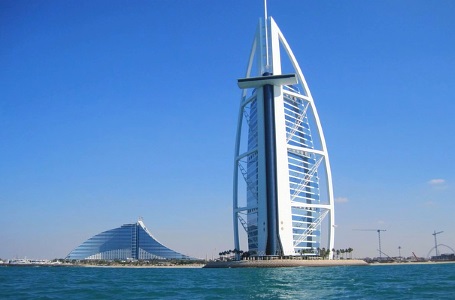
Coastal routes often include a view of the Burj Al Arab and a short stop nearby. A view from a public area is not access to the hotel. Verify whether the route goes to Souk Madinat Jumeirah, a beach viewpoint or both.
Photo locations vary with road works and the operator. Dress for outdoor heat even if you expect to spend most of the time in an air-conditioned vehicle. A stop that feels sufficient for photographs may be too short for a beach visit.
Palm Jumeirah and Atlantis
Palm Jumeirah is a sizeable area rather than a single attraction. Some modern tours drive onto the island, while others include the monorail or a viewpoint. Confirm which activity is included and whether there is time for a stop.
If you want the waterpark, allow most of a day rather than treating it as a brief tour extension. Our Atlantis waterpark page helps with that separate outing. A city tour is mainly a first orientation.
Dubai Marina and JBR
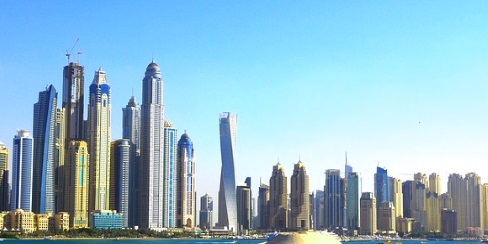
The Marina offers a different urban landscape from the Creek. A short walk beside the water can be worthwhile, but a passing bus gives only a limited impression. Ask whether the itinerary includes a walking stop or just a drive through.
For an evening here, plan your return independently and consider the Metro or tram. Our Dubai yacht tour article covers a different way to see this part of the city. Summer humidity can make a long afternoon walk tiring.
Half-day versus full-day tours
A four-hour tour is best treated as an overview. Traffic, hotel pickup and waiting for the group all use some of the advertised time. The itinerary may feature several brief photo stops but little time inside paid attractions.
A full-day tour gives more scope for a heritage walk and modern districts. Check the lunch arrangement, restroom breaks and whether the guide remains with you throughout. One long tour can be less tiring than arranging several distant stops yourself, provided the pace suits you.
Hop-on hop-off bus
These buses suit travellers who want a flexible route and an audio commentary. You can leave at a stop and board a later service, but the interval and last departure matter. Ask for the current route map and confirm whether a ticket counts by calendar day or by hours.
Dubai traffic can slow a bus considerably, so do not plan a tightly timed museum appointment immediately after a long circuit. A bus tour is more about overview than fast transport. The existing hop-on hop-off ticket option provides one comparison.
Tour with a private guide
A private tour may work for a family or a group with particular interests. You can ask for longer time in the historic district, accessible stops or an early start. Clarify vehicle size, languages, entry fees and whether changes are possible once the trip begins.
An expensive private vehicle is not automatically better for a traveller who wants to spend most of the day walking. Write down your must-see places and ask for a realistic route before paying. A shorter guided walk plus public transport may be enough.
A self-guided city tour by Metro
The Red Line connects the airport area with Downtown and a number of districts along Sheikh Zayed Road. The Green Line serves parts of old Dubai. Using both lines plus an abra crossing can make a good independent day, though several sights require additional walking or a taxi.
Read our Dubai Metro guide and allow buffer time. Avoid assuming every landmark sits at its namesake station. A self-guided day costs less than a private tour but gives you the responsibility for timing and navigation.
How to compare tour listings
First check the start and finish, then duration, route, entrance fees, cancellation terms and pickup area. A listing headed ‘Burj Khalifa optional’ may mean the observation deck is an add-on, not part of the basic price.
Also read recent reviews for pacing and pickup accuracy. A multilingual tour may be suitable, but the guide may repeat explanations in several languages. If you are travelling with children, note the amount of time inside the vehicle.
When to book
Popular time slots and small-group tours can sell out during busy travel periods. Book a particular activity in advance when its timing is important; a flexible general sightseeing ride may allow more spontaneity. Do not buy overlapping timed entry and tour tickets.
For outdoor stops, an early start can be more comfortable in warmer months. In the cooler season, midday walking is easier. Always check the operator’s latest meeting instructions, as pickups and road access can change.
What to bring
Take water, comfortable shoes, a sun hat and a phone with enough battery for tickets and directions. Light, respectful clothing works across shopping areas and cultural stops. For a mosque interior, check that site’s dress requirements separately.
A small amount of local currency is handy for incidental expenses, but check which payments the tour includes. Carry identification if the booking requires it. Keep a note of the operator’s contact and the pickup location.
City tour and accommodation
A centrally located hotel can cut the time spent on collection routes and make an independent evening easy. Decide whether you prefer Downtown, an older district, or the Marina based on what else you plan to do. A tour cannot substitute for a practical daily base.
If your hotel is outside a provider’s pickup zone, meet at an agreed point rather than assuming collection is included. Metro access can be more useful over several days than proximity to a single tour meeting place.
Frequently asked questions
Is Burj Khalifa included? Usually only if the booking explicitly lists admission. Is the abra included? Many heritage routes include it, but check the itinerary. Can you do Old and New Dubai in one day? Yes, with a selective route and limited time at each stop.
Is a city tour worthwhile on a short stay? It can be, especially for a first visit, but a focused half-day and free afternoon may be more enjoyable than a rushed checklist. How much should you pay? Prices and inclusions vary; compare current listings rather than relying on an old fixed price.
A workable first-day plan
If you arrive in Dubai in the morning, a late-afternoon overview can be a manageable introduction, provided you allow for airport transfer and hotel check-in. For many travellers, the following morning is better: you will be rested and able to use what you learn for the rest of the stay. Choose a heritage route if you plan several subsequent days around modern attractions.
After a half-day tour, revisit the district that interests you most. A photograph at a landmark is rarely the same as a proper visit. A return trip to the souks gives time to browse, while an evening Downtown can include a reserved tower visit. Avoid buying several admissions until you know how long transfers and queues actually take.
Accessibility and walking
A ‘bus tour’ may still involve steps into a vehicle, uneven pavements and short walks at stops. Check with the provider about wheelchair space, accessible boarding and whether an abra crossing is part of the itinerary. If someone in your group cannot manage a particular activity, ask about alternatives before booking.
Look for the exact duration on foot rather than assuming that a four-hour tour means four hours of driving. Good itineraries state pickup, drop-off and free time clearly. Allow extra time for the heat and for breaks with children or older travellers.
Where to stay for sightseeing
Compare hotels near the Metro, Downtown and other areas.
If the Museum of the Future is your priority, check current ticket availability separately. Tour information can change; confirm the operator’s itinerary on the booking page.