 Posted by
Sharks live in the waters of the Arabian Gulf, but seeing one from a Dubai beach is unusual. For most visitors, the practical question is simple: can you swim? At a managed beach, follow the lifeguards and local notices, and never approach a wild animal. Dubai Aquarium offers a much more predictable way to see sharks up close.
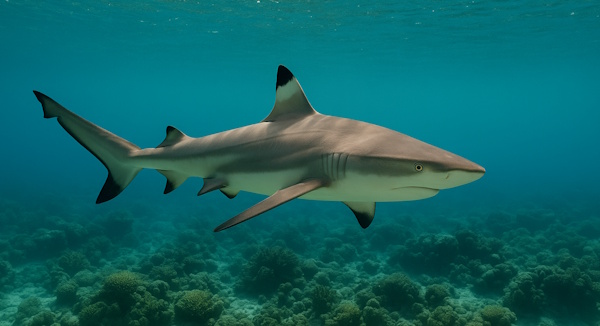
Sharks in the Gulf: what is actually known?
Warm, shallow Gulf waters support several shark species, including reef-associated and larger coastal species. A species recorded in the wider Gulf should not automatically be described as common off Jumeirah Beach. Distribution depends on habitat, prey, fishing pressure and season. Identifying a shark from a brief surface glimpse is difficult; social media clips are rarely enough to establish the species or location.
Whale sharks may visit Gulf waters and are filter feeders, not active hunters of swimmers. Smaller reef sharks are important predators in marine food webs. Some species spend more time offshore or near reefs than around busy swimming beaches. No responsible guide can promise a wild shark sighting during an ordinary Dubai beach holiday.
Is swimming in Dubai safe?
Choose a designated beach with lifeguards and obey temporary closures. Ask staff if you see a fin or unusual activity. Do not swim alone, near fishing lines or in murky water where you cannot see your surroundings. Avoid swimming at dawn or dusk in places where local advice warns against it, and do not enter the water with bleeding cuts. These are sensible general precautions rather than evidence of frequent attacks in Dubai.
If a shark is nearby, stay calm, keep it in sight, move toward shore without splashing and tell a lifeguard. Never try to touch, corner or feed it. Most shark encounters are brief and end without incident. Other practical beach issues, including currents, strong sun and occasional jellyfish, deserve attention too.
Dubai Aquarium and shark experiences
The Dubai Aquarium & Underwater Zoo in Dubai Mall lets visitors view sharks behind glass. Ticket categories and animal encounters change; check the operator’s current programme and age, medical or diving requirements before buying. An aquarium encounter is a controlled experience, not the same thing as diving with a wild shark. If you book a marine tour, ask whether wildlife is guaranteed, how animals are treated and what happens if the sea is unsuitable.
Why shark conservation matters
Sharks mature slowly in comparison with many bony fish, so some populations recover slowly after heavy fishing. Habitat damage and accidental catch can add pressure. If you take a boat trip, select an operator that avoids feeding, harassment and chasing. Give wildlife space; an encounter is more valuable when the animal’s normal behaviour is respected.
Wildlife watching without disturbing animals
A responsible marine outing does not promise a particular shark species or close physical contact. Ask whether the operator feeds wildlife, how many people are on the boat, and what briefing is given to inexperienced swimmers. Feeding changes behaviour and can create avoidable risks. Good operators turn back when weather or visibility is poor. For a family, a glass viewing panel or aquarium visit may be more rewarding than a boat trip advertised with uncertain sightings.
How to judge a shark video from Dubai
Clips often circulate without the date, exact beach or independent identification. A dorsal fin alone does not establish a species. Some videos show aquarium animals or footage from another Gulf country. If you are worried about swimming conditions today, ask the lifeguard at your beach. A viral clip is less useful than a current local notice.
What else is in the water?
Sharks are only one part of the marine environment. Rays, fish, jellyfish and seabirds are part of the wider coastal ecosystem. Avoid touching unknown animals and respect protected areas. Visibility can change with wind and currents; even a familiar beach deserves a fresh assessment before entering. Children should swim within close adult supervision. Check lifeguard hours, not simply whether a lifeguard tower is visible.
Scuba divers need appropriate certification, equipment and a guide familiar with the site. A shark seen at depth should be given space. The same rule applies to animals at the surface: no grabbing, chasing or blocking their route. A quiet observation from a safe distance is usually the best encounter.
Why a list of species can be misleading
A guide to the Arabian Gulf may name many sharks, but that is not the same as a list of animals a swimmer can expect to see from a Dubai beach. A species may occur in deeper waters, near a reef far from the city or only as an occasional visitor. A sighting reported elsewhere in the UAE cannot be moved to Dubai without evidence. This is why it is better to discuss habitats and practical behaviour than publish a dramatic ranking of “Dubai’s most dangerous sharks”. For an ordinary tourist, the relevant question is whether the beach is open and supervised.
Even the word “reef shark” covers several species with different ranges. Aquarium displays bring animals from managed collections and tell a story about marine life; they are not a local field survey. Read the aquarium’s labels if you want to learn identification features. In the wild, let trained marine biologists or reliable local records handle a species claim. A blurry fin or a dark shape under the water could be another animal altogether.
How to select a beach for swimming
Before entering the water, look for flags, warning boards and lifeguards. Ask where swimming is permitted; boating and watersports zones are not swimming areas. Keep children within reach and assess waves and visibility. If the water is discoloured after rough weather, postponing a swim may be sensible for reasons unrelated to sharks. Do not swim out toward a fishing vessel or through a group of anglers. Hooks, lines and bait can create hazards even when no large animal is present.
Tourists sometimes assume a calm sea is automatically safe. Currents, heat exposure, dehydration and poor judgement about distance can make a quiet day difficult. Bring drinking water, arrange shade and leave the water if you are tired. On an unfamiliar beach, ask the lifeguard about the day’s conditions rather than copying the people already swimming. Local restrictions may be temporary and can change during the day.
Aquarium visit: what to compare
Dubai Aquarium is a practical option for a family that wants to see sharks at close range without entering the sea. Compare basic admission with packages that advertise a tunnel, behind-the-scenes activity, a boat or a supervised animal encounter. These products do not all include the same areas. Look at the current operator description, opening times and any age or health limits. Allow enough time for the rest of Dubai Mall if the aquarium is one stop in a wider day.
An advertised “shark dive” may require certification, a briefing or specific conditions. A ticket seller’s headline does not replace the detailed eligibility rules. If one member of your party cannot participate, choose a product that still gives them a worthwhile visit. The aquarium’s controlled setting can help children understand body shapes, gills, teeth and conservation, but remind them that the display does not show how frequently a given shark appears off a local beach.
Diving, snorkeling and boating in the Gulf
For an open-water trip, ask the operator about the exact departure point and site. A “Dubai marine tour” might spend most of its time on a boat, while another activity includes time in the water. Check what equipment is supplied, whether beginners are welcome and how the trip responds to weather changes. There should be a safety briefing and clear instructions about entering and leaving the water. Do not treat a guaranteed wildlife encounter as a sign of quality; wild animals move freely.
If you encounter a shark while diving, remain with your guide and follow the briefing. Do not touch, feed or block the animal. Keep your movements controlled. The animal may pass by without taking any interest in you. A good operator values the welfare of marine life as well as the guest’s photograph. Wildlife trips are most credible when they explain uncertainty honestly.
Sharks as part of the wider ecosystem
Sharks are predators, scavengers or filter feeders depending on species. They help shape marine food webs, but their ecological role cannot be reduced to a slogan. Fishing pressure and habitat change affect species differently. Visitors can support better practice by choosing operators that avoid chasing animals and by following protected-area rules. When buying seafood, ask questions about sourcing if that matters to you; when visiting an aquarium, read its conservation information critically.
A shark sighting is neither proof of a dangerous beach nor proof of a healthy ecosystem on its own. It is one observation. The most useful tourist guidance remains modest: respect local warnings, leave wildlife undisturbed and enjoy the coast on its own terms. For other sea-related concerns, our jellyfish guide covers a more familiar reason to ask about current beach conditions.
Planning a family day around marine life
For a half-day activity, combine the aquarium with a nearby meal rather than promising children that they will find sharks on a random beach. Agree on a budget first: admission, a special encounter and photographs may have separate prices. If a family member dislikes enclosed or crowded attractions, a relaxed walk by the water is an alternative, but it should be described as a coastal outing rather than a shark safari.
If you choose a boat trip, read the route and transport details carefully. A marina departure point can be some distance from your hotel, and a morning check-in may come well before sailing. Ask about shade, water, seasickness and suitable clothing. Weather cancellations are normal for responsible marine operators. Keep the rest of the day flexible instead of stacking timed tickets immediately after an uncertain return. These practical details often determine whether an outing feels worthwhile.
Beach visitors should never use a news story from another year as a substitute for today’s local advice. Lifeguards, temporary flags and official notices respond to current conditions. If staff close an area, choose a different activity. There is no reason to challenge a closure to prove the statistical chance of seeing a shark is small.
Frequently asked questions
Are there great white sharks on Dubai beaches?
Do not infer their presence from a dramatic photograph or a list of species found elsewhere. There is no basis for telling holidaymakers that great whites are a routine Dubai beach concern.
Can I snorkel with wild sharks?
Some trips may advertise marine encounters, but sightings and conditions are never guaranteed. Ask where the trip goes and whether it is appropriate for your ability.
What should parents do at the beach?
Use lifeguarded areas, watch children closely and follow the beach’s signs. Ordinary water safety matters far more than trying to identify a distant fin.
Compare related guides to wildlife risks in Dubai and jellyfish.
Sharks in other travel destinations
Read our guides to sharks and swimming safety in different regions: